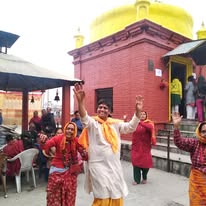
Nestled in Sifal—once known as Shreephal-van—by the sacred Bagmati River in Kathmandu, Lord Bhandareśhwar Mahadev manifests as a one-faced Swayambhu lingam, installed by Lord Kubera, the deity of wealth. This revered form of Shiva embodies compassion and divine presence. As narrated in the Kotirudra Samhita, following the Pandavas’ encounter with Shiva, His head (śirobhāga) emerged in Nepal while His body became Kedarnath. In devotion, Kubera sanctified this site and enshrined the lingam as a ritual storehouse and sanctuary of offerings.
Bhandareśhwar Mahadev holds a vital place in the continuum of Shaivite worship. No ritual at Pashupatinath commences without offerings—flowers and more—from this temple, and every appointed Pashupatinath priest must first take an oath at Bhandareśhwar. This unbroken link affirms the temple’s indispensable role in Kathmandu’s spiritual heritage and its enduring bond with one of the most sacred Shaivite traditions.
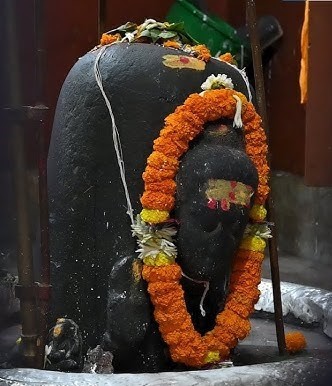

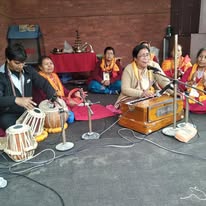
Every Saturday evening, devotees gather at the temple for a soulful āratī in reverence to Lord Bhandareśhwar Mahadev. The ritual begins with the chanting of Vedic mantras, the rhythmic sound of damaru and bells, and the lighting of lamps offered to the divine lingam. As the fragrance of incense fills the air and the sacred flame circles the deity, the atmosphere becomes charged with devotion and spiritual energy.
This weekly āratī not only serves as a powerful moment of collective worship but also strengthens the community’s bond with Shiva. It is a time when spiritual seekers, families, and pilgrims come together to offer gratitude, seek blessings, and renew their faith at one of Kathmandu’s most sacred Shaivite shrines.